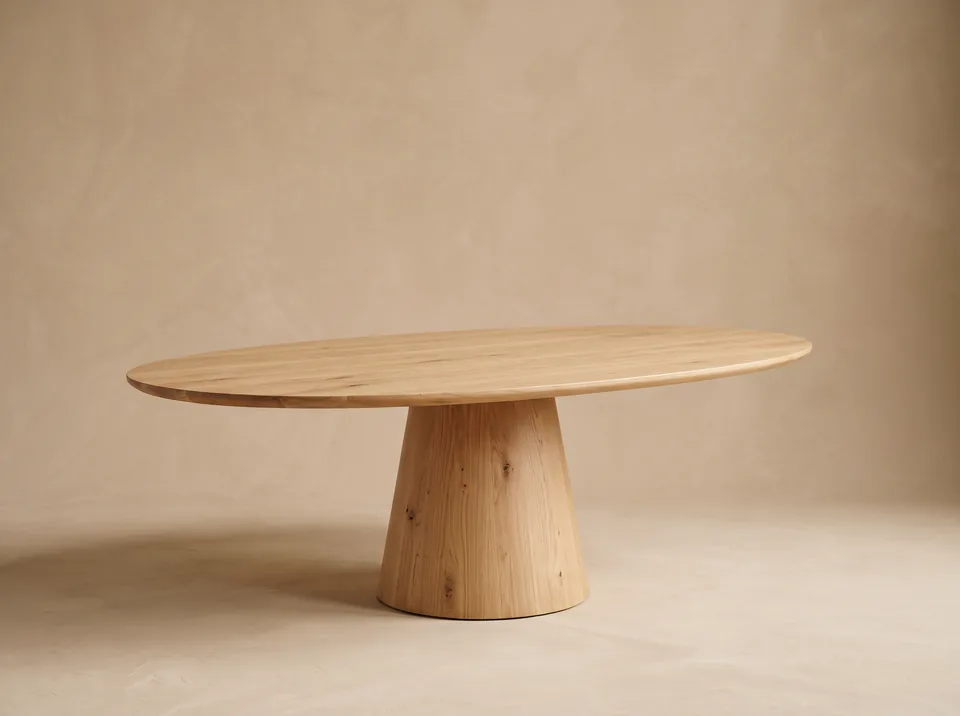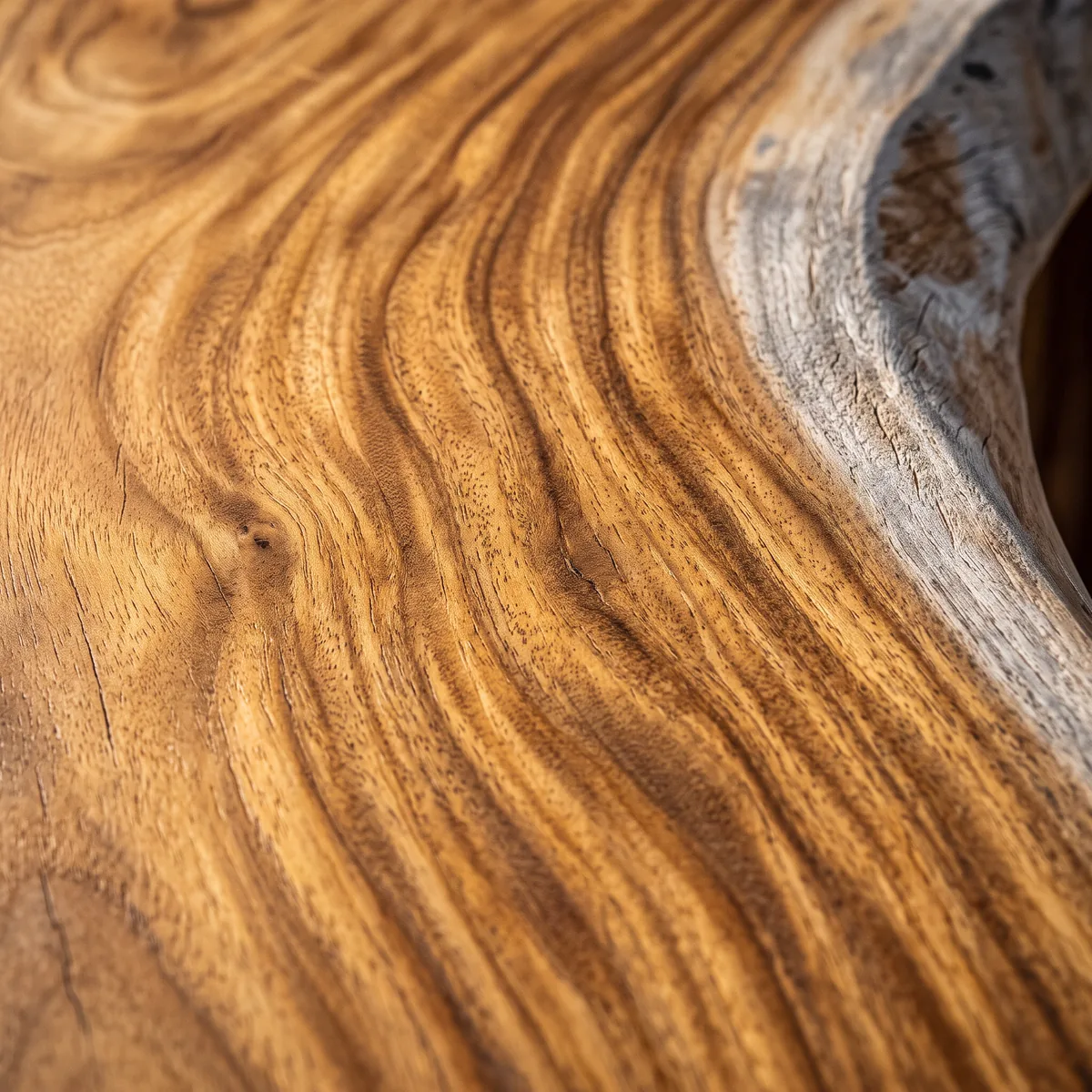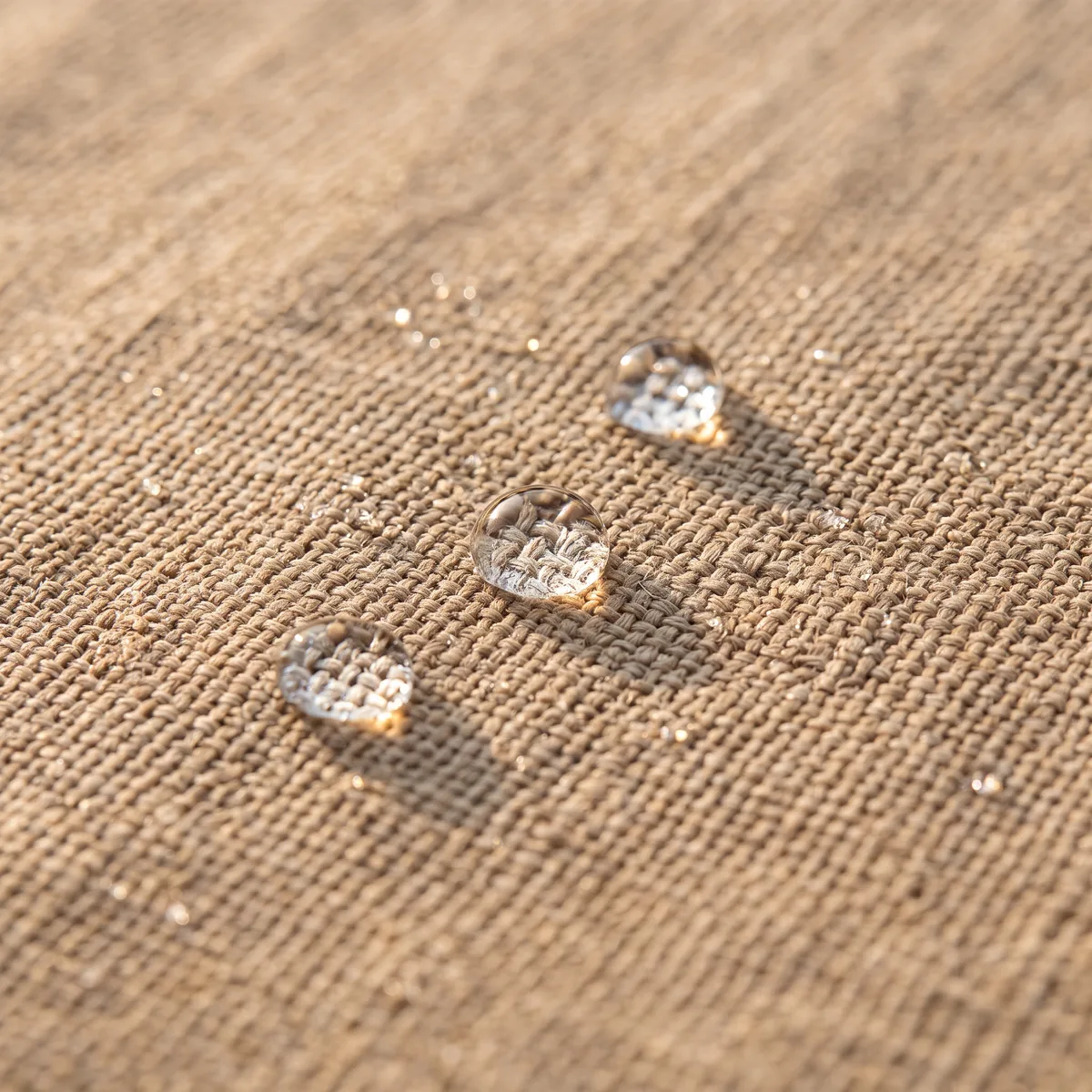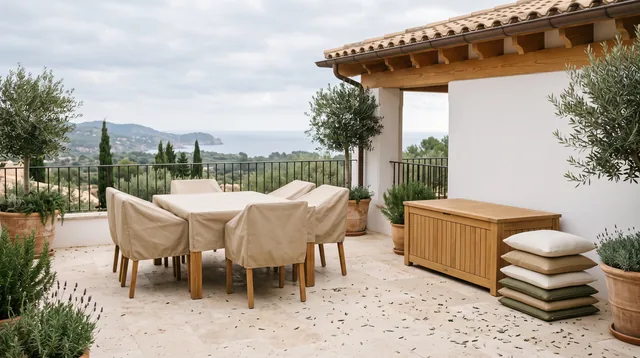
A table top is the most-touched surface in the house and on the terrace. Hot bowls, red wine, lemon slices, laptops and children's hands all end up on it. No material is the best at everything. It all depends on where the table stands, how it is used and how much patina you like.
The comparison at a glance
| Material | Scratches | Heat | Stains | Frost | Weight | Care |
|---|---|---|---|---|---|---|
| Ceramic / sintered ceramic | very resistant | very resistant | very resistant | frost-resistant | medium to high | very little |
| Granite | very resistant | resistant | good, if sealed | usually frost-resistant | very high | little |
| Marble | sensitive | moderate | sensitive, acid-sensitive | limited | very high | a lot |
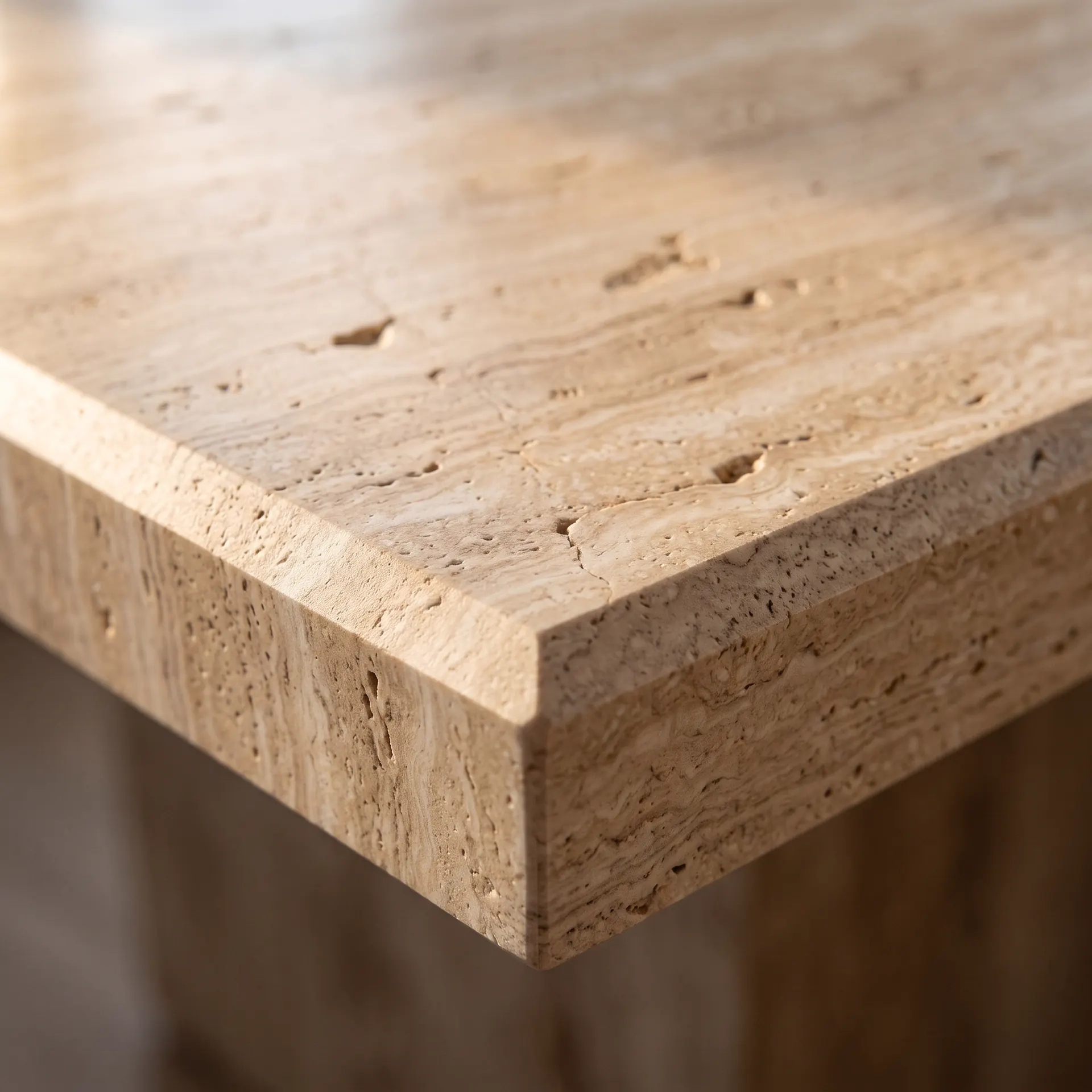
| Travertine | moderate | moderate | moderate, acid-sensitive | depends on the variety | high | moderate to a lot |
| HPL compact panel | good | moderate | very resistant | frost-resistant (exterior grade) | medium | very little |
| Solid wood | sensitive | sensitive | depends on the finish | teak yes, many others limited | medium | moderate, but repairable |
The ratings indicate tendencies. Within each material there are big differences in quality, for example between polished and honed surfaces or between dense and porous types of stone.
Ceramic and sintered ceramic
Ceramic table tops are made of very densely fired ceramic, often referred to as porcelain stoneware or sintered ceramic. They absorb hardly any water; some manufacturers quote values below 0.1 per cent. This is where their strengths come from: stains cannot penetrate, frost cannot harm them, UV light does not bleach them, and hot pans generally leave no marks. They are highly scratch-resistant, but not completely so.
The weak point is the edges. A hard knock on an edge or corner can cause chipping. Many tops have a printed decor, a marble look for instance; a damaged edge then reveals the differently coloured ceramic body beneath. A chamfered edge for protection and a base that supports the top well reduce the risk. Nobody should sit on the overhanging ends of the top.
Natural stone: granite, marble, travertine
Natural stone offers what no imitation can: depth, coolness and a pattern that exists only once. The differences between the various types of rock are considerable, however.
Granite
Granite is a plutonic rock consisting mainly of quartz and feldspar. It is hard, scratch-resistant and largely unaffected by acids. An impregnating sealer reduces the absorption of oil and dyes. Many granites are frost-resistant, which also makes granite an interesting option for outdoor tables.
Marble
Marble consists mainly of calcium carbonate. With a Mohs hardness of about 3, it is considerably softer than granite and reacts to acids: lemon juice, wine, vinegar or tomato sauce can etch the surface and leave it dull. A sealer protects against stains penetrating, but not against this chemical reaction. If you love marble, you accept that over time it will develop a patina of use. Outdoors, it is not recommended in places exposed to frost.
Travertine
Travertine is a limestone deposited from calcium-rich water at springs. For table tops, its characteristic pores are usually filled, with resin for example. It has a warmer character than marble and is just as sensitive to acids. Whether it can stay outside over winter depends on the variety and its tested frost resistance.
Finishes: polished, honed, brushed
The same type of stone can look and age very differently. A polished surface makes colour and veining glow, but shows scratches and dull etch marks particularly clearly. A honed, matt surface looks calmer and is more forgiving of signs of use. Brushed or textured surfaces offer the most tactile appeal, but also pick up dirt more easily. For marble or travertine dining tables, a honed finish is often the more practical choice for everyday life.
Weight deserves attention too: a granite slab 2 centimetres thick and measuring 200 by 100 centimetres weighs around 110 kilograms. On roof terraces, you should know the permitted load.
HPL: a compact panel with a clear purpose
HPL stands for high-pressure laminate. Layers of resin-impregnated paper are pressed together under high pressure and heat to form a dense laminate. As a solid compact panel in exterior grade, HPL is weather- and UV-resistant, frost-proof, easy to clean and comparatively light. Because the panels are so thin, HPL tables look delicate. The material reaches its limits with heat: hot pans belong on a trivet. Depending on the product, the edge reveals a dark or through-coloured core, which can be used deliberately as a design feature.
With any heavy top, the base plays its part. It must carry the weight safely and support the top so that ends with a generous overhang do not break under load. With stone and ceramic, therefore, ask about the recommended overhang and how the top and base are joined.
Wood: living and repairable
Wood is the warmest material at the table and the only one that can be completely renewed. Scratches, water rings and burn marks can be sanded away and the surface re-oiled. Indoors, oak and walnut are popular; outdoors, durable woods such as teak.
- Oiled: a natural feel; stains penetrate more easily, but touch-ups are simple with a fresh coat of oil.
- Lacquered: easier to look after day to day, but damage to the lacquer is more laborious to repair.
- Untreated (teak outdoors): weathers to a silver grey and needs hardly any care.
You can read more about woods for outdoor use in our article Teak, iroko & co.
Which top for which setting?
- Terrace with sun and frost: ceramic, exterior-grade HPL or teak. Granite, if weight is not an issue.
- Terrace in southern Europe without frost: travertine and limestone as well, with a sealer and coasters for glasses.
- Family dining table indoors: ceramic, or oiled wood that can be refreshed.
- Statement dining table indoors: marble, if you see patina as part of the story.
- Outdoor kitchen and barbecue area: ceramic or granite, because grease, heat and acid all come together there.
For all stone tops: use pH-neutral cleaners, avoid vinegar and citrus cleaners as well as cream cleansers, and renew sealers as the manufacturer specifies. Ceramic is considerably less demanding here, but it does not tolerate hard scouring pads on polished surfaces either.
One last piece of advice: ask for a sample and test it at home. Leave red wine, lemon juice, olive oil and coffee on it for half an hour, then wipe it off. You will see straight away which material you can live with. Our overview of Materials compares the properties side by side.